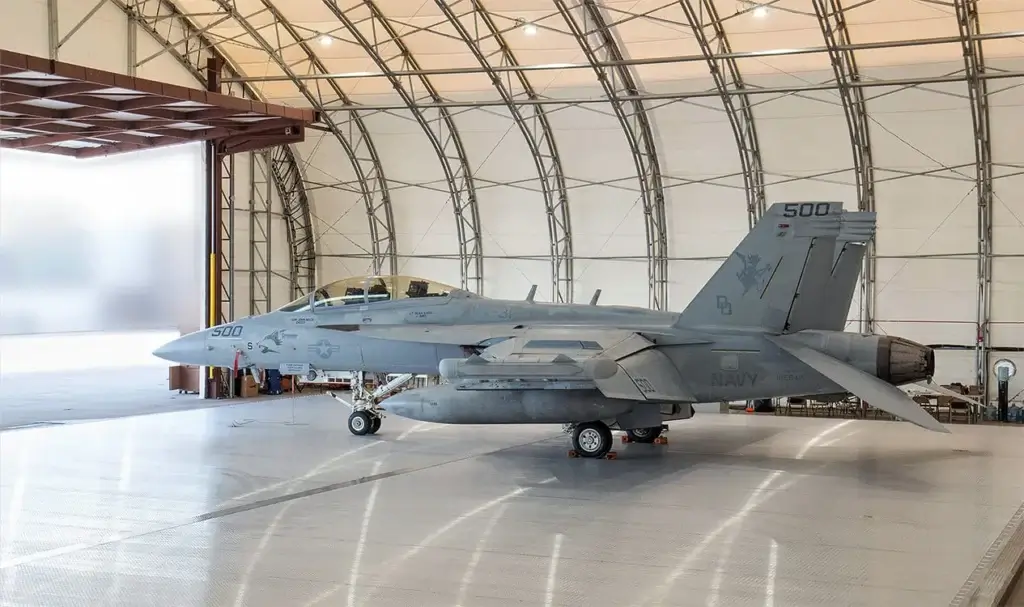
Modern fighter aircraft are no longer parked and idle. They are stored fully fueled, mission-ready, and expected to launch at a moment’s notice.
In this environment, fire protection must be designed to prevent downtime, not to cause it.
Traditional foam systems introduce a hidden risk. A single accidental discharge can take multiple aircraft out of service at once, impacting readiness when it matters most.
This latest white paper dives deeper into how hangar infrastructure is evolving to support continuous fighter aircraft readiness, and what teams should consider when evaluating long-term risk, cost, and operational impact.
Click below to explore how fighter hangar design is evolving.